
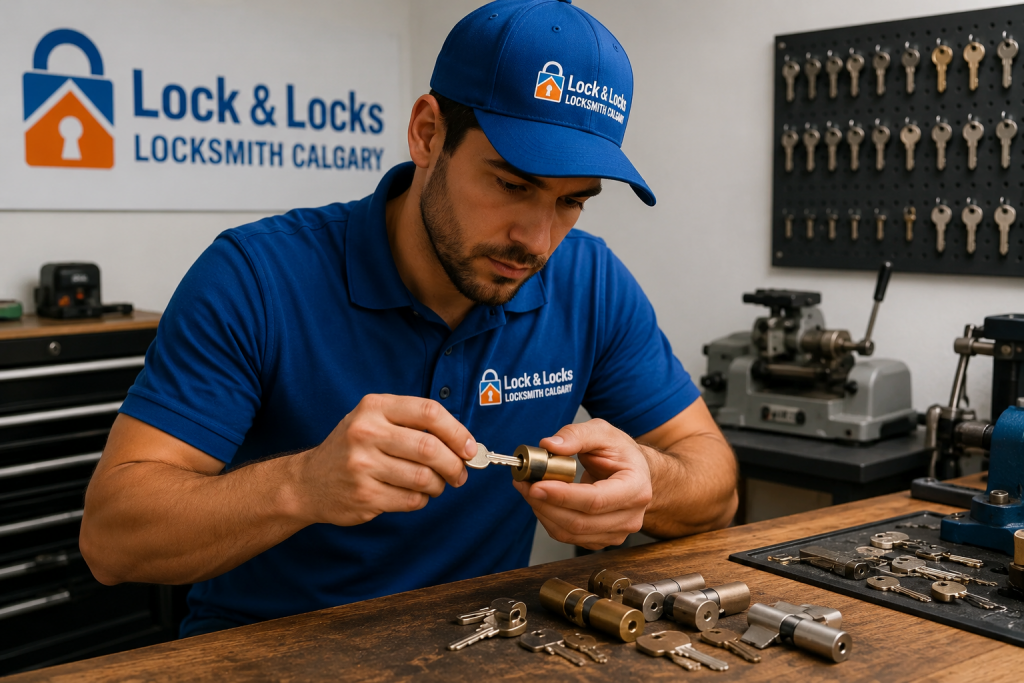
Lock & Locks Locksmith regularly meets homeowners and business owners who aren’t sure how to tell a professional locksmith from someone who simply owns a set of tools. That confusion is understandable, since anyone can put a locksmith sign on a van. The difference shows up in licensing, insurance, and training. It also shows up in how a technician handles your door once they arrive. This article walks through the credentials worth checking and the red flags worth avoiding. It also covers what a genuinely professional visit looks like from start to finish.
Why This Distinction Matters
An unlicensed or untrained technician can cause real damage to a door, frame, or lock mechanism during a rushed repair. Worse, some operators known in the industry as "locksmith scammers" quote a low number over the phone. They then pressure customers into paying far more once the door is already disassembled. Choosing a professional locksmith from the start avoids both problems and protects the security of your property afterward.
Skipping the credential check doesn’t always cause a problem. When it does, though, the consequences tend to be stressful and disruptive at the same time. A damaged frame from a rushed forced entry, a lock that fails again within weeks, and a final invoice that bears little resemblance to the phone quote are all common outcomes. Consumer protection groups regularly hear about each one. None of these outcomes are guaranteed with an unverified technician. Still, the risk rises noticeably compared to hiring a company that welcomes credential questions from the start.
Credentials Worth Checking
Licensing and Insurance
A professional locksmith should be able to confirm business licensing and liability insurance without hesitation. Insurance matters because it protects you if a repair accidentally damages a door, frame, or surrounding hardware. If a company avoids the question or gives a vague answer, treat that as a signal to keep looking.
Marked Vehicles and Verifiable Identity
Technicians who arrive in unmarked vehicles with no company identification are harder to hold accountable if something goes wrong. A licensed locksmith should show up in a marked vehicle. They should also be able to confirm the company name matches who you originally called. Our article on how to spot an unlicensed locksmith covers several additional warning signs in more depth.
Professional vs Unverified: A Side-by-Side Look
| Factor | Professional Locksmith | Unverified Operator |
|---|---|---|
| Licensing | Can confirm on request | Avoids the question or has none |
| Vehicle | Marked with company name | Unmarked or generic |
| Quote process | Assessment first, then honest quote | Vague number given over the phone, changes on arrival |
| Identification | Matches the company you contacted | Often mismatched or unavailable |
| Insurance | Carries liability coverage | Typically none |
Industry associations that track locksmith licensing report that unlicensed operators account for a meaningful share of consumer complaints each year. The exact figures vary by region and reporting method.
What a Genuinely Professional Visit Looks Like
A professional technician starts by asking questions about the problem rather than jumping straight to a repair. They inspect the door, frame, and hardware. Then they explain what they find in plain language before touching anything further. Once the diagnosis is clear, an honest quote follows that assessment. That gives you the chance to approve the work before it begins. Throughout the visit, a good technician also protects the surrounding finish and hardware rather than forcing a faster fix.
A few habits separate a trustworthy visit from a rushed one:
- Questions come before tools, not after
- The technician explains the cause, not just the fix
- Nothing is disassembled until the homeowner approves the plan
- The final invoice matches what was actually discussed on-site
Red Flags and Questions Worth Asking
Warning Signs on the Phone
Some warning signs show up before a technician ever arrives. A company that refuses to give a business name is one example. So is a firm quote given before any questions about the job. Pressure tactics are another signal worth noticing. If a technician insists a simple rekey suddenly needs full hardware replacement once they’re on-site, that shift deserves a second opinion rather than quick agreement.
A Short List of Questions
A few questions during the first phone call filter out most of the risk. They also help before a technician ever reaches your door.
- Can you confirm your business name and licensing?
- Do you carry liability insurance for accidental damage?
- Will someone explain the issue before starting the repair?
- Is the quote based on an in-person assessment rather than a guess over the phone?
Asking these questions takes less than a minute and immediately signals that you expect a professional standard of service. Companies with nothing to hide answer clearly and without hesitation.
Choosing a Company You Can Trust
Checking a company’s history takes only a few minutes and can save considerable frustration later. Look for a physical address and consistent contact information. Look too for reviews that describe specific jobs rather than generic praise. Online reviews are useful, but they don’t replace a direct credential check. A company can accumulate positive reviews for fast response times while still operating without proper licensing or insurance. Organizations such as ALOA, a recognized locksmith trade association, maintain standards and training resources that member companies are expected to follow. Our commercial locksmith team is happy to answer credential questions directly before any appointment is booked.
Taking a few extra minutes to confirm credentials rarely delays a repair by much. It also prevents the far more common problem of hiring someone twice for the same job. This matters most for lockouts, when stress makes it tempting to hire whoever answers first. Slowing down just enough to confirm you’re speaking with a properly credentialed technician protects your property. It protects your peace of mind too.
Frequently Asked Questions
What credentials should a professional locksmith carry?
A professional locksmith should be able to show proof of licensing, liability insurance, and identification matching the company you contacted. Reputable technicians are happy to provide this before starting any work.
Why does a marked vehicle matter?
A marked vehicle with visible company branding shows the technician is accountable to a real business rather than operating anonymously. It also makes it easy to confirm you have the right person at your door.
Should I get more than one quote before hiring?
Comparing communication and credentials across a couple of companies is reasonable, especially for larger commercial jobs. What matters most is confirming licensing and insurance rather than choosing based on speed alone.
Can a professional locksmith handle both homes and businesses?
Yes, many technicians are trained across residential, commercial, and automotive work, though some companies specialize. Ask directly whether the technician has experience with your specific type of property.
What happens during a typical first visit?
A professional technician inspects the lock or door hardware, explains the likely cause of the issue, and outlines the recommended fix before any work begins. An honest quote follows that assessment.
Contact Lock & Locks Locksmith
Ready to talk to a real technician? Lock & Locks Locksmith serves the Calgary area, including Okotoks and surrounding communities.
- Phone: (825) 438-2406
- Address: 123 Seton Rise SE, Calgary, AB T3M 2L3, Canada
- Hours: Monday – Sunday, 8:00 AM – 10:00 PM